Dartmouth Park Hill bulky rubbish collection for N19
Posted on 02/09/2026
Dartmouth Park Hill bulky rubbish collection for N19: a practical local guide
If you are dealing with an old sofa, a broken wardrobe, a bag of mixed junk, or a full room that has quietly become a storage zone, Dartmouth Park Hill bulky rubbish collection for N19 can be the simplest way to get your space back. The tricky part is not usually the lifting. It is the planning: what counts as bulky rubbish, how to prepare it, what gets recycled, and how to avoid paying for a rushed job twice. This guide walks through the process in plain English, with the local realities of North London in mind.
You will find a clear explanation of how bulky item collection works, who it helps most, what to watch out for, and how to make the job cleaner, safer, and less stressful. To be fair, bulky waste is one of those jobs people put off until it starts annoying them every time they walk past it. Let's fix that properly.

Why Dartmouth Park Hill bulky rubbish collection for N19 matters
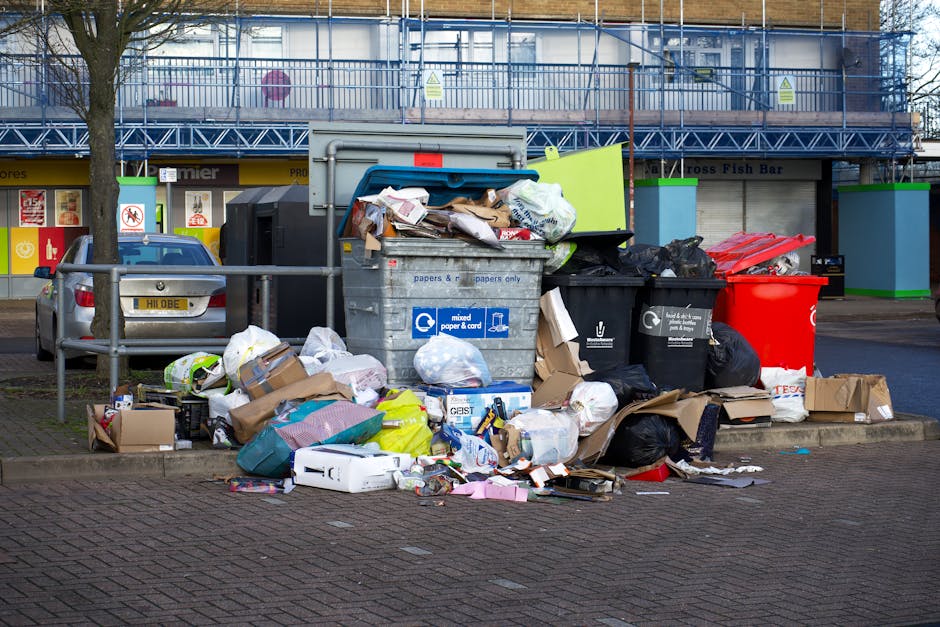
Bulky rubbish is different from everyday household waste. It takes up space, is awkward to carry, and often includes mixed materials that need sorting before disposal. In homes around Dartmouth Park Hill and the wider N19 area, that can mean anything from a dismantled bed frame to an old fridge, a pile of flooring offcuts, or garden furniture that has seen one too many winters.
The reason this matters is simple: bulky waste gets in the way fast. It blocks hallways, clutters basements, makes cleaning harder, and can even slow down a move-out, refurbishment, or sale. If you are trying to keep a property tidy for viewings, or just want to stop tripping over an unused armchair every morning, the right collection service saves time and reduces stress.
There is also the environmental side. Bulky items are often made from a mix of wood, metal, textiles, plastics, and electrical components. If they are handled properly, a good portion can be reused, broken down, or recycled rather than simply dumped. A responsible collection should make sorting easier, not harder. That is why a service with clear waste handling practices is worth a look, especially if you want reassurance about where your items go. If that is important to you, it may help to read about recycling and sustainability and how a provider approaches waste reduction in practice.
Expert summary: bulky rubbish collection is most valuable when it removes the physical clutter, reduces handling risk, and gives you confidence that reusable materials are being separated properly.
How Dartmouth Park Hill bulky rubbish collection for N19 works
In most cases, the process is straightforward. You identify the items, request a quote or collection slot, confirm access details, and the team arrives to remove the waste from the property. The actual loading is usually the quickest part. The planning beforehand is what makes the difference.
A typical bulky collection in Dartmouth Park Hill or nearby N19 might include:
- single bulky items such as mattresses, wardrobes, sofas, or white goods
- mixed household clearances after decluttering
- garage, loft, or basement items that have built up over time
- post-renovation offcuts and non-hazardous builders waste
- furniture left behind after a tenancy ends
Before collection day, a provider will usually want to know the type of items, how many there are, whether there are stairs or narrow access points, and whether any items need disassembly. You should be honest about the load. Guessing low often leads to delays, awkward renegotiation on site, or a second visit. Nobody enjoys that. No one.
If you are comparing service types, it can help to see how bulky collections sit alongside domestic waste collection in Tufnell Park and more specialist removals such as furniture removal or white goods and appliance disposal. The right choice depends on the material mix and the volume involved.
For local residents who want a broader picture of nearby collection options, there is also useful context in this guide to rubbish clearance near Tufnell Park Station N19. It is a different corner of the same general area, but the practical concerns are often identical: access, speed, and sensible handling of mixed waste.
Key benefits and practical advantages
Bulky rubbish collection is not only about getting rid of old things. Done well, it improves the way your home or property functions day to day.
- Fast space recovery: One collection can free a hallway, shed, spare room, or flat entrance in an afternoon.
- Less manual strain: Large items are awkward and can be genuinely risky to move alone, especially on stairs.
- Cleaner presentation: Handy if you are preparing a sale, letting, or even just getting the place back into shape.
- Better sorting: Professional collection makes it easier to separate furniture, electricals, and recyclable materials.
- Reduced hassle: No van hire, no parking puzzle, no repeated trips to a disposal site.
There is also a psychological benefit people underestimate. A pile of old furniture or broken appliances can feel strangely heavy even when it is sitting still. Once it is gone, the room feels different. Brighter. Easier to use. You notice the floor again, which sounds silly until you have lived with clutter for a while.
For anyone working through a larger declutter, the process pairs well with advice from streamlining your space with efficient household decluttering. That kind of planning helps you avoid the classic "sort one pile, create two more" problem.
Who this is for and when it makes sense
Dartmouth Park Hill bulky rubbish collection for N19 is useful for a surprisingly wide range of people. It is not just for big clear-outs. Sometimes it is the fastest solution for one stubborn object that has outstayed its welcome.
You may benefit from this service if you are:
- moving house and need to clear old furniture quickly
- renovating and left with broken materials, packaging, or fit-out waste
- letting out a property and need to remove abandoned items
- decluttering after years of accumulation in a loft, cellar, or shed
- replacing appliances and do not want the old unit sitting around
- dealing with a garden or outdoor area full of tired, bulky items
It also makes sense when access is awkward. A lot of homes around North London have narrow staircases, tight entrances, or shared access points. In those situations, moving a large wardrobe or heavy sofa by yourself can become a comedy sketch, except with more sore backs. A local team that understands the area can usually plan around that.
If the job involves an entire property rather than a few items, a broader house clearance service may be the better fit. For commercial spaces, offices, or shop units, something like commercial waste removal may be more appropriate. The point is to match the service to the real job, not the other way round.
Step-by-step guidance
If you want a smooth bulky rubbish collection, a little preparation goes a long way. Here is the practical sequence that tends to work best.
- Walk the property first. Make a list of every bulky item, including anything hidden in cupboards, the loft, or behind doors.
- Separate keep, donate, and remove. This saves time on the day and prevents accidental disposal of things you still need.
- Check whether items need disassembly. Some beds, wardrobes, and shelving units are much easier to remove in pieces.
- Note access details. Stairs, parking restrictions, shared entrances, and timed loading windows all matter.
- Ask about item types. Sofas, mattresses, fridges, and electronics may be handled differently from general furniture.
- Request a clear quote. Make sure you understand whether the price is based on volume, item type, labour, or access conditions.
- Prepare a clear path. Move small items out of the way so the team can work safely and efficiently.
A decent provider should explain what can be taken, what needs special handling, and what may require a separate arrangement. If you are unsure, ask. That really is the simplest way to avoid a messy surprise.
For an overview of how different jobs fit together, the services overview page is a helpful place to compare general clearance options before you commit.
Expert tips for better results
Most bulky rubbish jobs go well when the customer thinks like a planner, not just a remover. That sounds obvious, but in practice it often gets skipped.
- Take photos before booking: A few clear pictures help with quoting and reduce misunderstandings.
- Keep similar materials together: Metal, wood, textiles, and electricals are easier to sort when grouped.
- Leave a small buffer in your schedule: If the collection happens during a move or renovation, plan for things to take a bit longer than you hoped.
- Be realistic about weight: A single item can be more difficult than a small pile if it is dense, wet, or awkwardly shaped.
- Ask how recycling is handled: Good operators should be able to explain their approach in plain terms.
One practical observation from real jobs: the quickest collections are almost always the ones where the route from the item to the exit is already clear. Even five minutes spent moving shoes, lamps, or boxes out of the way can shave a surprising amount of effort off the job. Simple, but effective.
If you are checking reliability and company standards, it can also help to look at pages like about us, insurance and safety, and waste carrier licence and compliance. Those pages are not glamorous, granted, but they matter when you want a trustworthy service rather than a gamble.
Common mistakes to avoid
A lot of bulky waste headaches come from a few repeat mistakes. The good news? They are easy to avoid once you know what to look for.
- Underestimating volume: What looks like "a few things" often becomes a full load once moved outside.
- Ignoring access issues: A narrow stairwell, restricted parking, or no lift can change the job significantly.
- Mixing hazardous waste with general bulky rubbish: Paints, chemicals, asbestos, and some electrical items need separate handling.
- Forgetting landlord or building rules: Shared entrances and communal areas often have their own restrictions.
- Choosing only on price: The cheapest quote is not always the best if it leaves you with delays or poor sorting.
Another common one is forgetting that a broken item still counts as bulky waste even if it is technically "just" a pile of parts. A snapped wardrobe does not magically become easy rubbish. In fact, it can be worse, because now it is a weirdly shaped pile of boards and fittings. Fun times.
It is also worth making sure you understand the service terms before booking. If you want to review how bookings and payments are handled, look at pricing and quotes and payment and security, plus the terms and conditions if you need the finer detail.
Tools, resources and recommendations
You do not need specialist equipment for every bulky rubbish job, but a few simple tools make preparation easier and safer.
- Measuring tape: Useful for checking whether a sofa or bed frame will fit through doors or stair turns.
- Phone camera: Great for photos, quoting, and creating a before-and-after record.
- Marker pen and labels: Handy if you are sorting keep, donate, and remove piles.
- Basic screwdrivers or Allen keys: Often needed for beds, shelving, and flat-pack furniture.
- Sturdy gloves: A sensible precaution for splinters, sharp edges, and dusty items.
For residents and property owners who want extra context, these related reads can be useful:
- Junction Road waste removal options in Tufnell Park
- Tufnell Park resident reviews and advice
- A local's guide to Tufnell Park
If you are preparing a property for sale, a wider declutter often pays off beyond the immediate rubbish removal. A cleaner, less cluttered room photographs better and feels more spacious on viewing day. That links neatly with the practical advice in maximising gains in a Tufnell Park property investment and even selling homes in Tufnell Park if you are moving through that stage.
Law, compliance, standards, and best practice
Bulky rubbish collection is not just about hauling things away. There are legal and practical duties involved, especially when waste changes hands. In the UK, anyone collecting and carrying waste for others should operate in line with waste carrier requirements, and customers should feel comfortable asking about that. You do not need to become a compliance expert yourself, but you do need enough knowledge to choose responsibly.
Good practice usually includes:
- clear identification of the waste carrier
- safe handling of heavy or awkward items
- separation of reusable, recyclable, and residual waste where possible
- careful treatment of electrical items and mixed materials
- respect for access, neighbours, and shared spaces
If a provider cannot explain how they handle waste or avoid unsafe lifting, that is a signal to slow down. You want a collection method that protects the property, the people doing the lifting, and the environment. Simple as that.
For extra peace of mind, many customers also like to review accessibility information, especially if they have limited access needs, mobility considerations, or a building layout that makes collection more complicated than average. Small detail, big difference.
Options, methods, and comparison table
There is more than one way to deal with bulky rubbish in Dartmouth Park Hill and the surrounding N19 area. The right choice depends on time, volume, access, and how much effort you want to invest yourself.
| Method | Best for | Main advantage | Main drawback |
|---|---|---|---|
| Professional bulky rubbish collection | One-off items, mixed bulky loads, busy households | Fast, convenient, minimal lifting for you | Usually costs more than self-delivery |
| DIY disposal with a hired van | Smaller loads and flexible schedules | Can be cheaper if you can do the labour yourself | Time-consuming, parking and loading can be awkward |
| Room-by-room clearance service | Lofts, garages, inherited clutter, larger projects | Good for complex or mixed contents | May be more than you need for a few items |
| Specialist item disposal | Appliances, mattresses, furniture, or builders waste | Useful when items need separate handling | Not ideal if you have a broad mixed load |
For most people, the decision comes down to effort versus control. If you enjoy sorting and can spare the time, DIY may work. If not, professional collection is usually the calmer option. And frankly, calmer has value.
Case study or real-world example
Here is a realistic local scenario. A homeowner in Dartmouth Park Hill had a spare bedroom that slowly became a holding zone for an old mattress, two broken bookshelves, a disassembled desk, and several bags of mixed household bits. Nothing dramatic. Just the sort of room that makes you close the door and pretend it does not exist.
The first step was a quick sort into three piles: keep, donate, remove. The bookshelves were already beyond repair, the desk needed to go, and the mattress was too worn to bother storing any longer. The homeowner measured the access route and confirmed there was enough clearance for the larger parts once broken down. A few screws later, the whole job was much simpler.
On collection day, the main benefit was speed. Because the room had been prepped properly, the team could load the items without weaving around boxes, lamps, and spare bags. The result was not just an empty room. It was a room the homeowner could use again, which is the real point. A guest room, office, nursery, or even just somewhere to stand and breathe for a second.
This is the pattern we see most often: when the item list is clear and access is thought through early, the whole process becomes smoother. Almost boring, in the best possible way.
Practical checklist
Use this checklist before your collection day. It keeps things simple and reduces last-minute stress.
- List every bulky item you want removed
- Check whether anything can be reused, donated, or repaired
- Separate electrical items, furniture, and general waste
- Measure large items and access points
- Remove personal belongings from drawers and cupboards
- Clear a path from the item to the exit
- Flag stairs, narrow doorways, or parking restrictions
- Ask about recycling and disposal handling
- Confirm timing, payment, and terms before arrival
- Keep pets and children away from the work area during loading
If you are dealing with a mix of garden waste and bulky outdoor items, you may also want to compare with garden waste removal. Outdoor clearances can be a different beast, especially after wet weather when everything is heavier than it looks.
Get a free quote today and see how much you can save.
Conclusion
Dartmouth Park Hill bulky rubbish collection for N19 is at its best when it is treated as a practical project rather than a last-minute panic. Identify the items, understand the access, choose a service that explains its process clearly, and prepare the space before collection day. Those small steps save time, reduce hassle, and usually improve the result.
Whether you are clearing one stubborn sofa or a whole room full of forgotten things, the goal is the same: make the space usable again, without turning the job into a weekend saga. And once it is done, you will feel it immediately. Less clutter. Less noise in the background. A bit more room to live.
If you are ready to move forward, take the next step with a clear list, a clear path, and a clear head. That is usually enough to get the job done well.