Fortess Road commercial rubbish removal for local shops
Posted on 12/10/2026
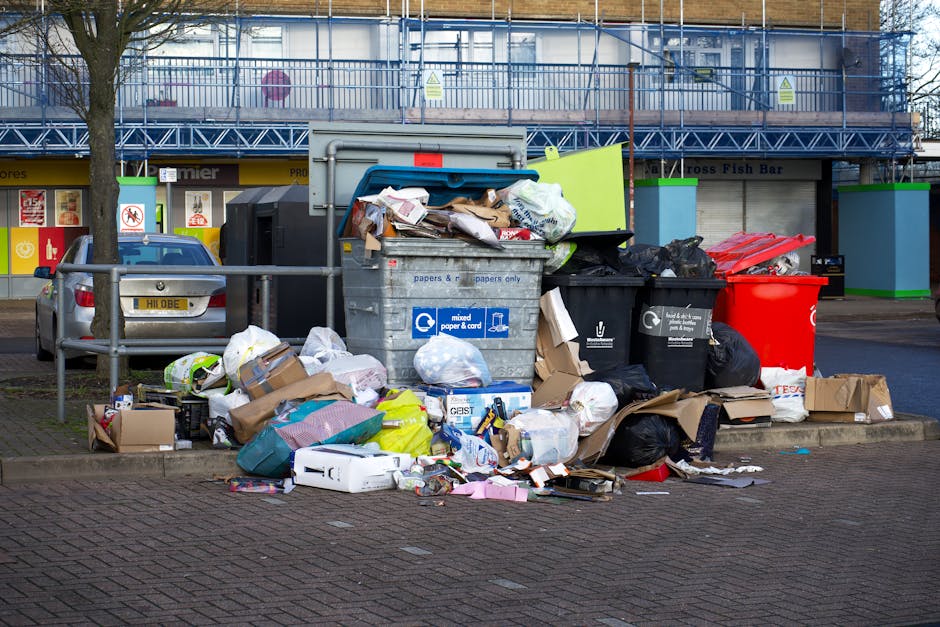
If you run a shop near Fortess Road, you already know rubbish has a funny way of building up at exactly the wrong moment. One busy Saturday, a delivery arrives late, the back store starts filling with cardboard, and suddenly the bin area looks like a small storm has passed through. That is where Fortess Road commercial rubbish removal for local shops becomes more than a convenience. It keeps your premises tidy, helps staff move safely, and makes the shopfront feel looked after.
This guide explains how local shop waste removal works, what to expect, and how to choose a sensible service without overcomplicating things. We will cover the practical bits too: compliance, timing, collection methods, common mistakes, and the small details that can save a surprising amount of hassle. Truth be told, waste removal is one of those jobs nobody notices when it is going well. When it goes wrong? Everyone notices.
Along the way, you will also find useful links to related pages on our site, including our commercial waste removal service, our pricing and quotes information, and our page on waste carrier licence and compliance. Those pages can help if you are comparing options or checking what a proper, lawful collection should look like.

Why Fortess Road commercial rubbish removal for local shops Matters
For a local shop, waste is not just a back-of-house issue. It affects first impressions, staff workflow, stock space, and sometimes even neighbour relations. On a road like Fortess Road, where small businesses often operate from compact premises, the margin for clutter is slim. A few overfilled bags, broken boxes, old displays, and packaging waste can quickly crowd a storage area that already feels tight.
Good waste removal matters because it protects the working rhythm of the shop. If staff have to squeeze around refuse sacks to get to deliveries, that slows everything down. If customers see rubbish stacked near the entrance or pavement, it can quietly undermine trust. People notice more than we think they do. A clean, orderly frontage suggests care, and in retail, that matters.
There is also the practical safety side. Loose cardboard can become a trip hazard, and food residue can attract pests if it sits too long. For convenience stores, cafes, florists, small grocers, off-licences, beauty shops, and independent retailers, waste is often mixed: cardboard, plastics, broken fixtures, shelving offcuts, old promotional material, and sometimes specialist items that should not go in general waste. That mix needs proper handling, not just a quick shove into the nearest bin.
Local shop owners often ask whether regular council collection is enough. Sometimes it is, sometimes it is not. Council services may suit lighter volumes, but when you have a refit, a seasonal stock change, or a few weeks of heavier packaging waste, you usually need something more flexible. Commercial rubbish removal can bridge that gap without turning your back room into a long-term storage unit. Nobody wants that. Not really.
How Fortess Road commercial rubbish removal for local shops Works
At its simplest, the process is straightforward: you identify the waste, arrange a collection, the waste is removed, and it is taken to the appropriate disposal or recycling route. The detail is where the value sits. A decent commercial rubbish removal service should make the process feel organised rather than rushed.
1. Assess the waste type and volume
Start by understanding what you need removed. Is it mostly cardboard and packaging? A mixture of shop waste and broken fixtures? Heavy items from a refit? The type of waste matters because it affects collection method, vehicle size, labour needs, and disposal route.
If the waste is bulky, awkward, or mixed, it may need loading help rather than just bin emptying. That is normal. Shops rarely produce neat piles of identical rubbish. More often it is a jumble of flattened boxes, film wrap, damaged hangers, old signage, and the odd item that has been sitting in the corner since last month. We have all seen that corner.
2. Arrange a suitable collection time
Timing matters more than many shop owners expect. A collection before opening, during a quieter mid-morning window, or after closing can reduce disruption. On a busy retail strip, the wrong timing can get in the way of deliveries, footfall, and staff movement.
For Fortess Road commercial rubbish removal for local shops, flexibility is often the difference between a smooth day and a mildly chaotic one. If your business has peak trading windows, choose a removal slot that avoids them. Simple, but very effective.
3. Separate recyclable and non-recyclable waste where practical
Many shops produce a strong volume of cardboard, paper, and packaging. If these are separated, recycling becomes easier and often more efficient. A good operator will advise what can be kept apart before collection. It does not need to be perfect, just sensible.
Some items need extra care. Electrical items, fridges, fluorescent tubes, or hazardous materials are not the same as ordinary mixed commercial waste. If they are involved, make sure the provider can handle them properly or signpost the correct route.
4. Safe loading and removal
Collection teams should remove waste without damaging walls, shop fittings, or shared access areas. That is especially important in narrow premises or buildings with upstairs flats. A clumsy lift through a tight doorway is the sort of thing people remember for the wrong reasons.
Professional waste removal usually includes loading, transport, and disposal. If you only need part of that chain, clarify it first. It avoids confusion, and to be fair, it avoids awkward conversations later too.
5. Disposal, recycling, and paperwork
Once the waste leaves your site, it should be taken to an approved transfer or treatment route. For commercial clients, there may also be paperwork or proof of removal, depending on the arrangement and the type of waste. Keep that information. It is useful for your records and helpful if questions come up later.
For a broader view of the company's approach, you can also look at the full services overview and our recycling and sustainability page, especially if your business wants a more waste-conscious routine.
Key Benefits and Practical Advantages
Commercial rubbish removal is not only about getting rid of things. The real value is in how it improves day-to-day trading conditions. For local shops, the benefits are practical, visible, and often immediate.
- Clearer space: More room for stock, returns, and everyday operations.
- Better presentation: A tidier frontage and cleaner back-of-house area.
- Reduced safety risks: Less clutter, fewer trips, and lower chances of blocked exits.
- More efficient workflow: Staff spend less time moving waste around.
- Flexible handling: Useful for one-off clearances, refits, or seasonal peaks.
- Improved recycling opportunities: Especially where cardboard and packaging volumes are high.
- Less stress: Which, frankly, is no small thing when you are already juggling customers, suppliers, and stock.
There is also a commercial angle. Clean, organised premises often feel easier to shop in. That can influence customer confidence in subtle ways. No one says, "I chose this shop because the rubbish was under control," but they do notice a place that looks looked after.
Practical summary: For most Fortess Road shops, the best rubbish removal setup is the one that keeps the shop trading normally, removes waste without fuss, and leaves you with less to manage, not more.
Who This Is For and When It Makes Sense
This service makes sense for a wide range of local traders. If your business generates regular commercial waste or occasional bulky waste, you are probably already doing part of this job in-house, even if informally. The question is whether that system is still efficient.
Local shops that commonly need commercial rubbish removal
- Convenience stores and small grocers
- Cafes, takeaways, and food retailers
- Newsagents and off-licences
- Florists and gift shops
- Barbers, salons, and beauty rooms with retail stock
- Phone, repair, and accessory shops
- Independent clothing and lifestyle retailers
- Pop-up shops and short-term retail units
It also makes sense when you are facing specific situations: a refit, end-of-line clearance, stockroom reshuffle, lease end, post-event clean-up, or a sudden build-up of packaging after a big delivery cycle. If the waste is interrupting your routine, it is probably time.
Some shop owners wait too long because they assume a pile will sort itself out. It rarely does. It usually becomes three piles. Then four. Then someone has to move it before lunch.
Signs you have outgrown ad hoc disposal
- Bins are full before collection day
- Cardboard is stored in customer-facing areas
- Staff spend time managing rubbish instead of serving customers
- Waste is collected irregularly because no one has ownership of it
- Back rooms feel cramped and hard to work in
- You are not sure what is recyclable, reusable, or disposable
Step-by-Step Guidance
If you are planning Fortess Road commercial rubbish removal for local shops, the process becomes much easier when you treat it like a small project. A bit of structure saves a lot of back-and-forth.
- List the waste you need removed. Separate normal bagged waste, cardboard, bulky items, and anything potentially specialist.
- Estimate volume. You do not need a perfect measurement. A rough idea of how many sacks, boxes, or items is usually enough to get started.
- Decide timing. Choose a collection window that avoids trading peaks, deliveries, and staff handover times.
- Ask about loading support. If the waste is in a back room, basement, or shared access area, check whether the team will collect from there.
- Confirm what can and cannot be taken. This is where many problems are avoided. Batteries, electrical items, and hazardous materials often have different handling requirements.
- Prepare the site. Flatten cardboard, separate obvious recyclables, and make access as easy as possible.
- Keep paperwork or confirmation. For business records, it is worth keeping details of the service and the date of removal.
It sounds simple because it is simple, really. The difficulty is only in the details, and those details tend to matter when the back door is narrow and the rain is coming sideways. London, eh?
Expert Tips for Better Results
After enough shop clearances, a few patterns become obvious. The smooth jobs are rarely the ones with the most impressive equipment. They are the ones with the clearest preparation.
Keep a waste routine, not just a waste fix
One-off clearances help, but local shops usually benefit more from a basic routine. Decide who handles packaging, when it gets flattened, where it is stored, and when it is removed. A routine stops waste from becoming a weekly fire drill.
Use one waste point where possible
If your shop has waste spread across the sales floor, stockroom, and rear yard, collections take longer and become more disruptive. Consolidating waste into one tidy area makes everything more predictable.
Be honest about hidden waste
Old shelving, damaged fixtures, and forgotten stock can hide behind the obvious rubbish. When you describe the job, mention those items up front. It helps with accurate planning and avoids "oh, and another thing" at the last minute.
Match collection method to the building
A ground-floor retail unit with easy vehicle access has very different needs from a narrow premises with shared stairs or a basement storage room. The right service should adapt to the property, not the other way round. That is a small point, but it matters.
Think about customer flow
If a collection is happening during opening hours, plan where staff and customers will move while the team is working. A few cones, a temporary sign, or a simple staff briefing can prevent confusion. No need for drama.
For shop owners who want to understand the practical side of safe operations a little better, our insurance and safety page explains the kind of care you should expect from a professional team.
Common Mistakes to Avoid
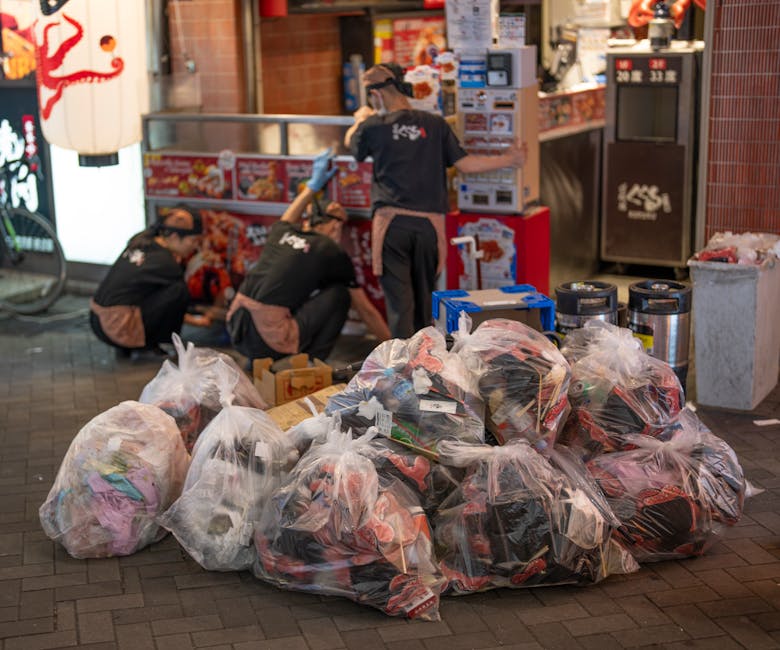
Most waste problems are preventable. The usual mistakes are not dramatic, just inconvenient. And inconvenient adds up.
- Leaving waste until it blocks access. This slows staff down and can create fire or trip risks.
- Mixing everything together. It makes recycling harder and collections less efficient.
- Assuming all rubbish is ordinary waste. Some items need specific handling.
- Choosing based only on speed. Fast is good, but only if the service is lawful and suitable.
- Not checking access. A van cannot do much if there is nowhere to stop or unload safely.
- Forgetting shared neighbours. In multi-unit buildings, poor waste handling can upset other tenants quickly.
- Failing to keep records. Not glamorous, but useful when you need evidence of proper disposal.
One common trap is to treat commercial rubbish like household waste. They are not the same thing. The differences may not always be obvious on a busy afternoon, but they matter in practice, especially for business compliance.
Tools, Resources and Recommendations
You do not need a complicated setup to manage retail waste well. A few simple tools and habits go a long way.
- Heavy-duty waste sacks: Better for routine bagged waste and less likely to split.
- Flattening tools or box cutters: Useful for breaking down cardboard quickly and safely.
- Labelled containers: Helpful if you separate cardboard, general waste, and special items.
- Trolleys or hand trucks: Essential for moving heavier loads from back room to loading point.
- Storage space plan: Even a small marked area can keep waste from spreading across the shop.
It also helps to know the broader services available to your business. If you ever need to clear bulky stockroom items alongside ordinary commercial waste, our pages on builders waste removal, furniture removal, and white goods and appliance disposal may be useful as related references, depending on the type of item involved.
If you are comparing providers, look for plain answers to simple questions: what they take, how they load, whether they recycle, and how they handle compliance. Anything vague should make you pause a little. Not a red flag every time, but enough to ask more questions.
Law, Compliance, Standards, or Best Practice
Waste handling for businesses should always be taken seriously. The exact requirements can vary depending on the waste type and the arrangement in place, but there are some general expectations that matter for local shops.
First, use a provider that can demonstrate proper waste carrier status and responsible disposal practices. If someone offers to remove your commercial rubbish cheaply but cannot explain where it goes, that is not a bargain. It is a headache with a discount sticker on it.
Second, keep your records in order. Businesses are generally expected to manage waste responsibly, and it is good practice to retain evidence of collection and disposal. This is especially sensible if you deal with mixed commercial waste, electrical items, or anything that could be questioned later.
Third, separate hazardous or specialist items from general waste. Examples may include certain chemicals, some electricals, or materials that are not suitable for standard collection. If you are unsure, ask before the waste is loaded. Guessing is not the plan here.
Fourth, think about safety on your premises. Waste should not block exits, create slip hazards, or obstruct staff routes. That is not just best practice; it is basic common sense, and often the easiest part to fix.
If you want a clearer sense of compliance expectations, our waste carrier licence and compliance page is a sensible place to start. For business customers who care about how payments and collection arrangements are handled, the payment and security page may also be reassuring.
Options, Methods, or Comparison Table
Local shops usually have three practical routes for waste removal: standard council-style collection where available, ad hoc bulky waste removal, or scheduled commercial rubbish collection. Each has its place.
| Option | Best for | Advantages | Limitations |
|---|---|---|---|
| Regular council-style collection | Low-volume routine waste | Simple and predictable | May not suit bulky or mixed commercial waste |
| One-off bulky rubbish removal | Refits, clear-outs, stockroom resets | Flexible and fast | Not ideal if waste is constant |
| Scheduled commercial waste removal | Ongoing shop waste and packaging | Consistent, scalable, less disruption | Needs planning and a clear waste routine |
For many Fortess Road retailers, the best answer is not one method forever. It is a practical mix. Routine waste can stay routine, while occasional bulky clearances are handled when needed. That way the system stays light enough to manage, but solid enough to trust.
Case Study or Real-World Example
Imagine a small independent homeware shop near Fortess Road. The shop is tidy on the customer side, but the stockroom tells a different story. Cardboard from deliveries stacks up during the week, damaged display packaging lingers, and a few broken shelf sections have been leaning against the wall for far too long. Nothing dramatic. Just enough clutter to make moving around awkward.
The owner books a commercial rubbish removal collection for a quiet morning before opening. Staff flatten the cardboard, separate reusable packaging, and gather the broken shelving and old promotional boards in one corner. The collection team arrives, loads everything carefully through the side access, and removes the waste in one visit. The stockroom opens back up, and suddenly the room feels twice the size. Not magic. Just less junk in the way.
The real benefit was not just disposal. It was breathing room. Staff could restock without shuffling around piles of packaging, and deliveries became easier to receive. That little bit of order can change the feel of the whole day.
Practical Checklist
Use this quick checklist before arranging Fortess Road commercial rubbish removal for local shops:
- List all waste types that need collecting
- Separate cardboard, general waste, and specialist items
- Estimate the volume in bags, boxes, or bulky pieces
- Choose a collection time that avoids peak trading
- Check access for loading and parking
- Confirm whether labour and loading are included
- Ask how recyclable items are handled
- Keep any collection confirmation or paperwork
- Make sure waste will not block exits or customer routes
- Review your regular waste routine after the collection
If you can tick most of those boxes, you are probably in good shape. If not, no panic. It is usually easy to sort with one calm conversation and a proper plan.
Conclusion
Fortess Road commercial rubbish removal for local shops is really about keeping your business functional, tidy, and easier to run. The best setups are simple: clear waste routines, sensible timing, safe loading, and a provider that treats your premises with care. Get those basics right and the rest tends to fall into place.
For local traders, the value shows up in small ways. A less cluttered stockroom. A cleaner back door. Fewer awkward bags waiting for "later." A calmer start to the day. And let's face it, that calm is worth quite a lot when you are trying to keep a shop moving.
Get a free quote today and see how much you can save.