Junction Road waste removal options in Tufnell Park
Posted on 12/08/2026
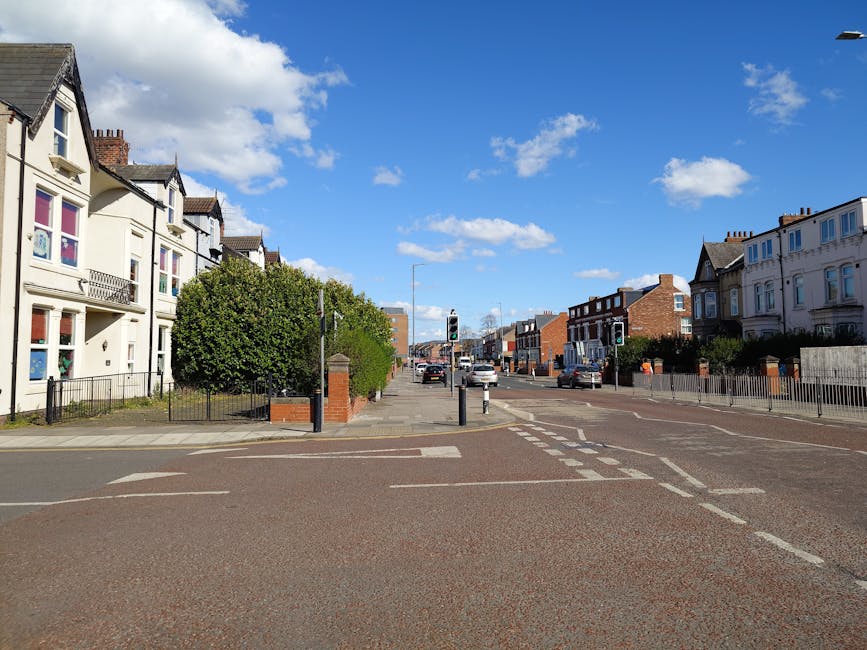
Junction Road waste removal options in Tufnell Park: a practical local guide
If you live, work, rent, or manage property near Junction Road, waste has a funny way of building up at the worst possible time. One delivery becomes a pile of packaging, one decluttering weekend turns into a van-load of unwanted furniture, and suddenly the hallway feels smaller than it did yesterday. This guide to Junction Road waste removal options in Tufnell Park is here to make the whole process clearer, calmer, and much more manageable.
We'll look at the main ways waste is typically handled in this part of North London, what each option is best for, what to watch out for, and how to choose the right approach without overpaying or creating a mess on the pavement. If you want a simple, local answer without jargon, you're in the right place.
Why Junction Road waste removal options in Tufnell Park matters
Junction Road sits in a busy, lived-in part of Tufnell Park where homes, flats, small businesses, and building projects often sit close together. That matters because waste removal here is not just about getting rid of rubbish; it's about doing it in a way that fits narrow streets, shared entrances, limited parking, and the general rhythm of local life.
To be fair, most people only think about waste removal when they are already under pressure. Maybe you are preparing a flat for new tenants, clearing out a storage room, dealing with a broken sofa, or trying to keep a renovation from taking over the whole property. In those moments, the "best" option is usually the one that saves time, avoids hassle, and handles the load properly first time.
There's also a trust angle. A good waste removal approach helps reduce fly-tipping risk, keeps communal areas safer, and supports cleaner recycling outcomes. If you're selling or letting a property, that tidy finish can matter more than people expect. A room that looks swept, clear, and ready makes a real impression. If you want to see how presentation and property value can overlap locally, the article on selling homes in Tufnell Park is a useful companion read.
How Junction Road waste removal options in Tufnell Park works
There are a few common routes people take, and each one suits a different kind of job. Some are better for a small amount of household rubbish. Others are the right fit for bulky items, heavier loads, or mixed waste after building work.
In simple terms, the process usually looks like this:
- You identify what needs removing and how urgent it is.
- You choose a collection method based on volume, type of waste, and access.
- The waste is collected, loaded, and transported away for sorting, recycling, or disposal.
- You receive confirmation or paperwork where appropriate, especially for regulated or commercial loads.
What changes from one job to another is the level of service. For example, a small domestic clearance may involve a quick pickup of bagged rubbish and a few loose items. A house clearance might require a full team, careful sorting, and removal from multiple rooms. A builders' job may need heavier lifting, faster turnaround, and a more robust approach to waste segregation.
Many local residents also mix methods. That's normal. You might take smaller recyclable items to your own council service over time, but book a professional collection for the awkward stuff: an old mattress, wardrobes, broken appliances, or the contents of a loft you finally decided to tackle at 8.30 on a Saturday morning. We've all been there.
For a broader overview of the kinds of collections available, the services overview page is a sensible place to start. If you are mainly dealing with regular household waste, domestic waste collection in Tufnell Park is often the most relevant service category to compare.
Key benefits and practical advantages
The biggest benefit is simple: less stress. But there's more to it than that.
- Faster clearances: Useful when you need a space ready the same day or by the end of the week.
- Less physical strain: Heavy lifting is handled safely rather than risking injury on stairs or in tight hallways.
- Better sorting: Reusable and recyclable items are easier to separate when the collection is planned properly.
- Cleaner properties: Handy for landlords, agents, homeowners, and anyone preparing a room for use.
- Fewer access headaches: Local crews who understand the area can work more smoothly around parking, timing, and shared entrances.
Another quiet advantage is momentum. Once the rubbish is gone, people often finish the rest of the decluttering without much extra effort. A cleared room nudges the next decision. A cleared hallway makes the rest of the flat look easier. It sounds small, but it really does help.
If you're comparing value rather than just price, think about what the service actually saves you. A slightly higher fee can be worth it if the team loads everything, sweeps up after, and takes care with awkward access. That's especially true in properties where you don't want to disturb neighbours with endless trips up and down stairs. For pricing expectations, the pricing and quotes page offers a helpful starting point.
Expert summary: The best waste removal option is rarely the cheapest on paper. It is usually the one that matches the size of the job, the access at the property, and the level of care needed to complete it properly.
Who this is for and when it makes sense
Junction Road waste removal options in Tufnell Park suit a broad mix of people, and that's exactly why the topic matters locally.
- Homeowners who are clearing out spare rooms, lofts, basements, or old furniture.
- Renters moving out and needing a fast, tidy reset before inspection or handover.
- Landlords and letting agents dealing with leftover items after a tenancy ends.
- Tradespeople and renovators who need builders' waste shifted quickly and safely.
- Local businesses clearing stock, packaging, office furniture, or general commercial waste.
- Garden owners who have cuttings, soil bags, branches, and outdoor debris to remove.
It also makes sense whenever waste becomes a practical problem rather than a minor inconvenience. A single broken chair is one thing. Five chairs, a pile of packaging, and two damaged shelves in a narrow flat is another story. The same goes for builders' debris after a bathroom rip-out or a kitchen replacement. The pile grows fast. Ridiculously fast, actually.
If you are decluttering rather than moving, you may also find the advice in streamlining your space with efficient household decluttering useful because it helps you sort what to keep before anything is collected.
Step-by-step guidance
If you want a clean result without unnecessary back-and-forth, a simple process works best.
- Separate the waste by type. Keep furniture, general rubbish, electrical items, garden waste, and builders' debris apart where possible.
- Check access. Think about staircases, narrow halls, parking restrictions, and whether large items will need dismantling.
- Estimate volume. A few bags, a half-room, or a full property clearance all point to different solutions.
- Look for any risky items. Paints, chemicals, sharps, and some electrical goods may need special handling.
- Choose the right service level. Decide whether you need a simple collection, labour-only support, or a full load-and-clear service.
- Confirm timing. Same-day or next-day work can be useful if the waste is blocking a move or renovation.
- Prepare the area. Stack items safely, leave a clear route, and keep anything you want to retain out of the way.
One practical tip: if you are dealing with a mix of items, take photos before the collection. Not for drama. Just for clarity. It helps you remember what's going, spot anything that needs extra handling, and avoid that classic "wait, was that lamp meant to stay?" moment.
If your load includes heavier household items, you may want to review furniture removal in Tufnell Park or, for appliances, white goods and appliance disposal so you know what each type of collection tends to cover.
Expert tips for better results
Most waste removal jobs go more smoothly when people do a little prep beforehand. Nothing fancy, just enough planning to remove friction.
- Break down bulky items first if it is safe to do so. Flat-pack furniture, bed frames, and shelving units often take less space once disassembled.
- Keep pathways clear. A clear route saves time and lowers the chance of knocks, scratches, or delays.
- Set aside anything reusable. It is easy to throw out usable items by mistake when you are in a rush.
- Label special waste. If there are electrical items, mixed rubble, or items with unknown contents, flag them early.
- Think about neighbours. This sounds obvious, but a considerate pickup time matters in shared buildings.
In our experience, the smoothest collections happen when the customer has done the smallest amount of sorting and the team can focus on loading rather than decision-making on the doorstep. That one bit of prep can save a surprising amount of time. And yes, time is usually what people are trying to save in the first place.
If you are looking at bigger clean-outs, you might also want to compare house clearance in Tufnell Park with builders' waste removal. They sound similar at first glance, but the handling and waste mix can be very different.

Common mistakes to avoid
Most problems come from mismatching the job to the service. That sounds simple, but it happens all the time.
- Underestimating the amount of waste. One pile in the corner can become a van load very quickly.
- Mixing hazardous or restricted items with general rubbish. This can delay collection or create safety issues.
- Leaving access planning too late. Parking and stair access are not details to leave until the last minute.
- Ignoring sorting opportunities. If items can be recycled or reused, it is better to identify them early.
- Choosing purely on price. Cheapest is not always cleanest, safest, or best value.
- Forgetting paperwork for commercial jobs. Businesses should be especially careful about waste records and duty of care.
One particularly common issue near busy streets is people leaving waste out too early. That can look untidy, cause complaints, and in some cases create avoidable risk. If the collection is later in the day, try to stage items as discreetly as possible. A little care goes a long way, honestly.
Tools, resources and recommendations
You do not need a huge toolkit, but a few basic things make the job easier.
- Sturdy gloves for minor handling and sorting.
- Heavy-duty refuse sacks for small mixed waste.
- Tape and a marker if you want to label items that must not be moved.
- A tape measure for checking whether bulky items can fit through doorways and stairwells.
- Bin bags or crates for separating smaller recyclables and general rubbish.
- A phone camera to document the load before collection and help with quotes.
For people who want a broader picture of how a local company operates, the pages on about us, insurance and safety, and waste carrier licence and compliance are genuinely useful because they help you judge whether a provider is set up properly.
If sustainability matters to you, it should, then it is worth understanding how items are handled after collection. The recycling and sustainability page is relevant because it reflects the kind of end-to-end thinking you should expect from a responsible waste service.
Law, compliance, standards, and best practice
Waste removal in the UK comes with responsibilities, even for small jobs. The main thing to understand is that waste should only be handled by someone who is authorised to carry it, and the waste should be passed on responsibly. That protects you as well as the environment.
For householders, the practical rule is straightforward: if you hand waste to a third party, make sure they are legitimate and understand what they are taking. For businesses, the duty of care is even more important. You may need records, invoices, and confirmation of what was removed and where it went. Not glamorous, I know, but it matters.
Best practice also means separating waste where possible. Recyclables, electrical items, furniture, garden waste, and mixed construction waste do not all belong in the same bucket. Sometimes, of course, reality is messier than theory. A garage clear-out is rarely neat. Still, the more sorting you can do, the better the result tends to be.
You can also expect reputable operators to work in a safe way: sensible lifting, careful loading, tidy site behaviour, and respect for communal areas. If you are not sure what standard to expect, the combination of payment and security information and the company's safety guidance can tell you a lot about how professionally they work.
Options, methods, or comparison table
Choosing the right waste removal method usually comes down to volume, convenience, and the type of material. Here is a simple comparison that helps narrow things down.
| Option | Best for | Pros | Watch out for |
|---|---|---|---|
| Bagged rubbish collection | Small household clear-outs and general waste | Quick, tidy, straightforward | Not ideal for bulky or heavy items |
| Furniture removal | Sofas, wardrobes, beds, tables | Good for awkward items and lifts | May need dismantling or access planning |
| House clearance | Whole rooms, flats, probate-type clear-outs, end-of-tenancy jobs | Most comprehensive, saves a lot of time | Needs a clear brief and good sorting |
| Builders' waste removal | Renovation debris, rubble, timber, packaging | Handles heavier and messier loads | Some materials need special treatment |
| Commercial waste removal | Office, retail, hospitality, and trade waste | Can be scheduled around business hours | Paperwork and consistency matter more |
| Garden waste removal | Cuttings, branches, soil bags, outdoor debris | Useful after pruning or landscaping | Wet green waste can be heavier than expected |
For many residents near Junction Road, the real choice is between a simple collection and a fuller service that includes lifting and loading. If you are stuck between them, ask yourself one question: do I want the waste gone, or do I want the room fully usable again? That difference matters more than people think.
Case study or real-world example
Picture a typical late-week situation. A two-bedroom flat near Junction Road has just had a bedroom refreshed and a small storage area cleared. There are two broken chairs, a pine chest of drawers, several bin bags of mixed clutter, a broken bedside lamp, and a cardboard mountain from a recent delivery. Nothing dramatic. Just enough to be annoying.
The residents first sort the obvious keep items from the obvious discard items. They keep aside a few books, some tools, and a mirror that still has life in it. The furniture is placed near the front entrance, the bags are grouped together, and the cardboard is flattened. That simple prep makes the collection quicker and safer.
The main win is not only that the rubbish leaves the property. It is that the room feels reset. The air changes a bit. You hear less echo. You can see the floor again. Small thing, maybe, but if you have been stepping around clutter for weeks, it feels like a proper exhale.
In this sort of scenario, a local clearance service is usually more efficient than trying to break everything down into multiple small trips yourself. If the job is connected to a move, sale, or letting cycle, you can see why local timing matters. The broader Tufnell Park area overview in a local's guide to Tufnell Park gives helpful context on the neighbourhood feel that often shapes these decisions.
Practical checklist
Use this before booking or carrying out any waste removal job near Junction Road.
- List everything that needs to go.
- Separate furniture, electricals, garden waste, and general rubbish where possible.
- Check whether anything could be reused, donated, or recycled.
- Measure large items and note any tight corners or stairs.
- Confirm where the waste will be staged before collection.
- Remove personal documents, keys, chargers, and valuables from drawers and bags.
- Ask about safety, insurance, and compliance if the job is substantial.
- Compare timing, loading support, and what is included in the price.
- Keep pathways clear on the day.
- Make sure you know what happens to recyclable items afterwards.
This checklist is short on purpose. You do not need a project plan with colour coding unless you enjoy that sort of thing. A clear list and a calm start are enough for most jobs.
Get a free quote today and see how much you can save.
Conclusion
Junction Road waste removal options in Tufnell Park are really about choosing the right balance of speed, convenience, safety, and responsibility. A small household clear-out may only need a simple collection. A bigger property job may call for a more complete service with loading, sorting, and proper handling of mixed materials. There is no one-size-fits-all answer, and that is fine.
If you plan ahead even a little, the process becomes much less stressful. Sort what you can, think about access, and choose a provider that takes compliance and care seriously. That's usually where the difference lies. Not in fancy language. In the details that make the whole thing easier.
And when the last bag is gone and the space feels open again, you'll be glad you handled it properly. Simple as that. A tidy room, a clear path, and one less job hanging over you - sometimes that's enough to make the week feel lighter.